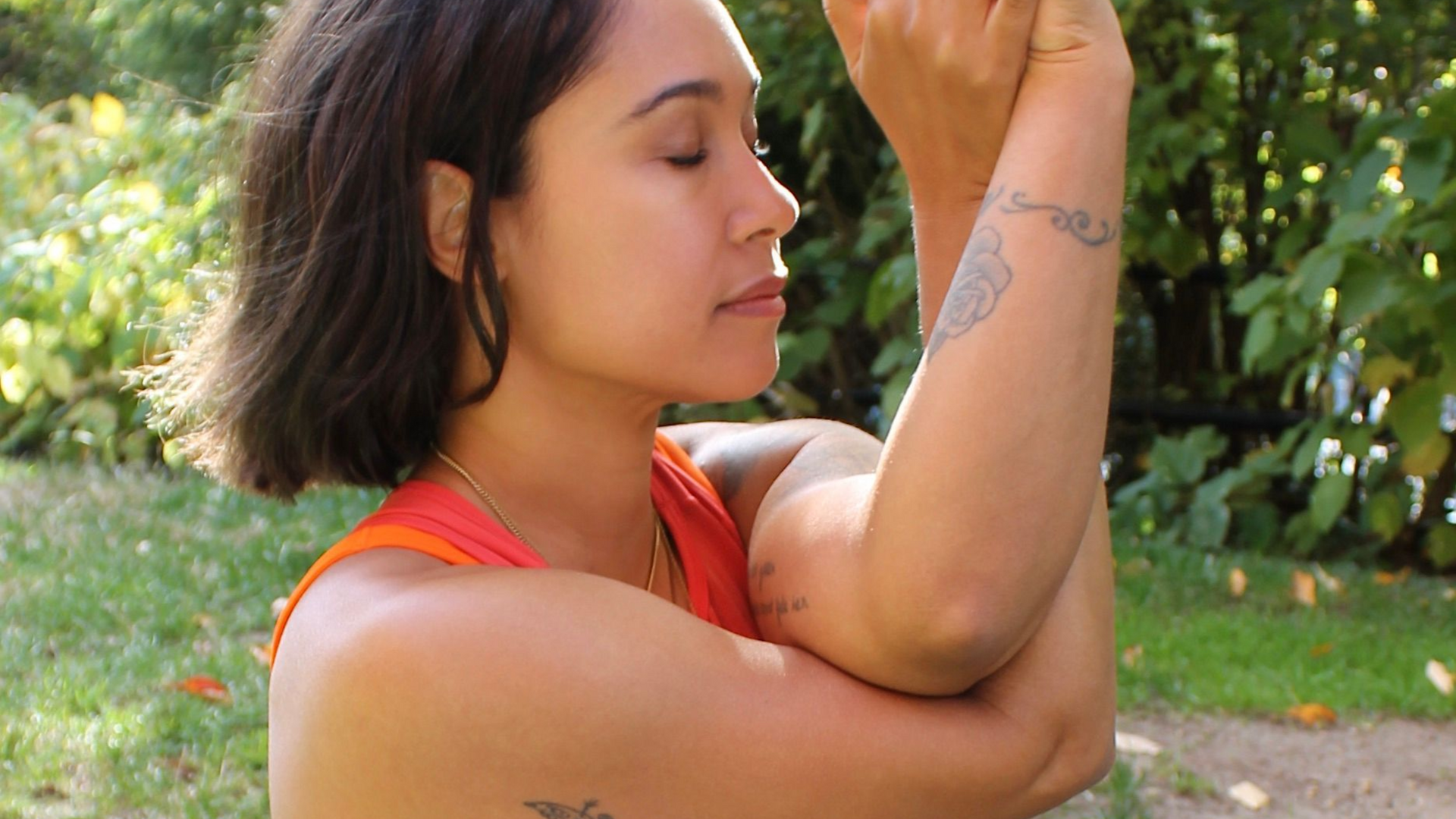
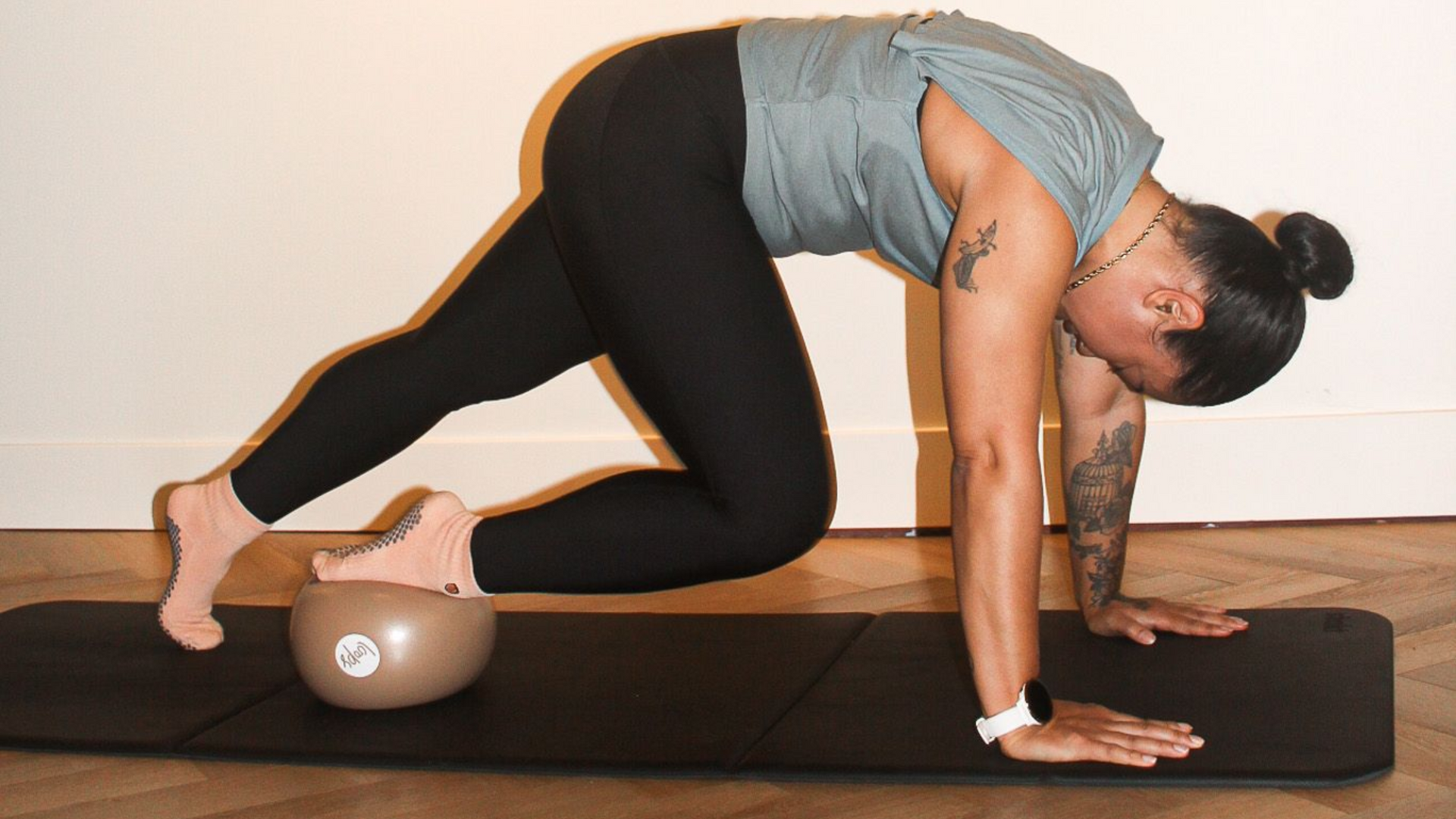
If you've ever scrolled past a barre class and thought "that's just ballet stuff, not a real workout" — I need you to stay with me for a minute, because I hear this all the time and I'm on a mission to change your mind. I've been teaching barre for years, and it is hands-down one of the most underestimated, underrated, and honestly misunderstood training modalities out there. It looks graceful. It looks low-intensity. And then about seven minutes in, your legs are shaking and you're questioning every decision you've ever made. That's barre. And I love it for you. So what actually is barre? Barre is a training method that blends elements of ballet, Pilates, yoga, and strength training. It uses a ballet barre (or a chair, or a wall — no fancy equipment required) as a stability tool while you work through small, precise movements that target specific muscle groups. The key feature of barre is isometric holds and small range-of-motion movements — meaning you're contracting a muscle and holding it under load, or pulsing through a very small range while keeping tension constant. This is very different from traditional strength training where you move through a full range of motion and then release. That difference is exactly why barre works so well — and why it burns in a way that sneaks up on you. What barre actually does for your body Let me break down the real benefits, because they go way beyond "toning" (a word I'm personally retiring from my vocabulary, but more on that another time). 1. It builds real, functional strength Barre targets the smaller stabilizing muscles that traditional lifting often misses — the muscles around your hips, knees, ankles, and core that are responsible for balance, posture, and injury prevention. These muscles matter enormously in everyday life: they're what keep you stable when you step off a curb, pick something up off the floor, or carry groceries up four flights of stairs. A consistent barre practice builds strength from the inside out. You'll feel it in how you move day-to-day long before you notice it in the mirror. 2. It dramatically improves your balance and coordination Because so much of barre is done in unstable positions — standing on one leg, working in relevé (on your toes), or moving one limb while the rest of your body stays completely still — your nervous system is constantly working to coordinate and stabilize. Over time, this trains your proprioception (your body's sense of where it is in space), which improves your balance, reduces your risk of falls and injuries, and honestly just makes you feel more at home in your body. 3. It's mobility work disguised as a workout A well-designed barre class moves your joints through their full range of motion, works your flexibility alongside your strength, and includes stretching built right into the flow. You don't need a separate mobility session when your workout already includes it. This is one of the reasons I specifically blend barre with strength and cardio in my programming — because sustainable movement means keeping your body mobile, not just strong. 4. It's genuinely accessible for most fitness levels One of the things I'm most proud of in my classes is that barre is inherently modifiable. Every exercise can be scaled up or down. You can hold the barre more firmly for extra support, reduce your range of motion, or skip the relevé entirely. Beginners feel welcome and challenged at the same time — which is a balance that's hard to strike and something I work hard to maintain. No dance experience required. No flexibility required. Just a willingness to show up and try. 5. The cardio component is real Depending on the class format, barre can get your heart rate up significantly — especially when we layer in cardio intervals, faster tempos, or compound movements that combine upper and lower body work. Cardio barre is its own thing, and it will surprise you every single time. The myths, busted "It's not a real workout." Respectfully, come take a class and then say that. The small range-of-motion movements in barre keep your muscles under tension for longer than many traditional exercises do. Sustained tension = real work. Full stop. "It's only for dancers or flexible people." Nope. I am a trained dancer and fitness professional, and I design my classes specifically so that no one needs a dance background to keep up. If you can stand and hold onto something for support, you can do barre. "It only works for women." Barre is for any body. The strength, balance, and mobility benefits are universal, and some of the most challenged students in my classes have been people who assumed it would be easy. "I need to go to a fancy studio." You can do barre in your living room with a chair and a foot of space. This is literally why I built an online platform — so that access to great programming doesn't require a $35/class boutique studio membership. How to try it without commitment I offer a free 10-day trial on my online membership platform, which gives you full access to my full on-demand video library and programs — including a range of barre, barre sculpt, cardio barre, and mobility classes. If you've been curious about barre but haven't quite taken the leap, this is your sign. Come shake your legs with me. Start your free 10-day trial → jmacwellnessindustries.com/pricing
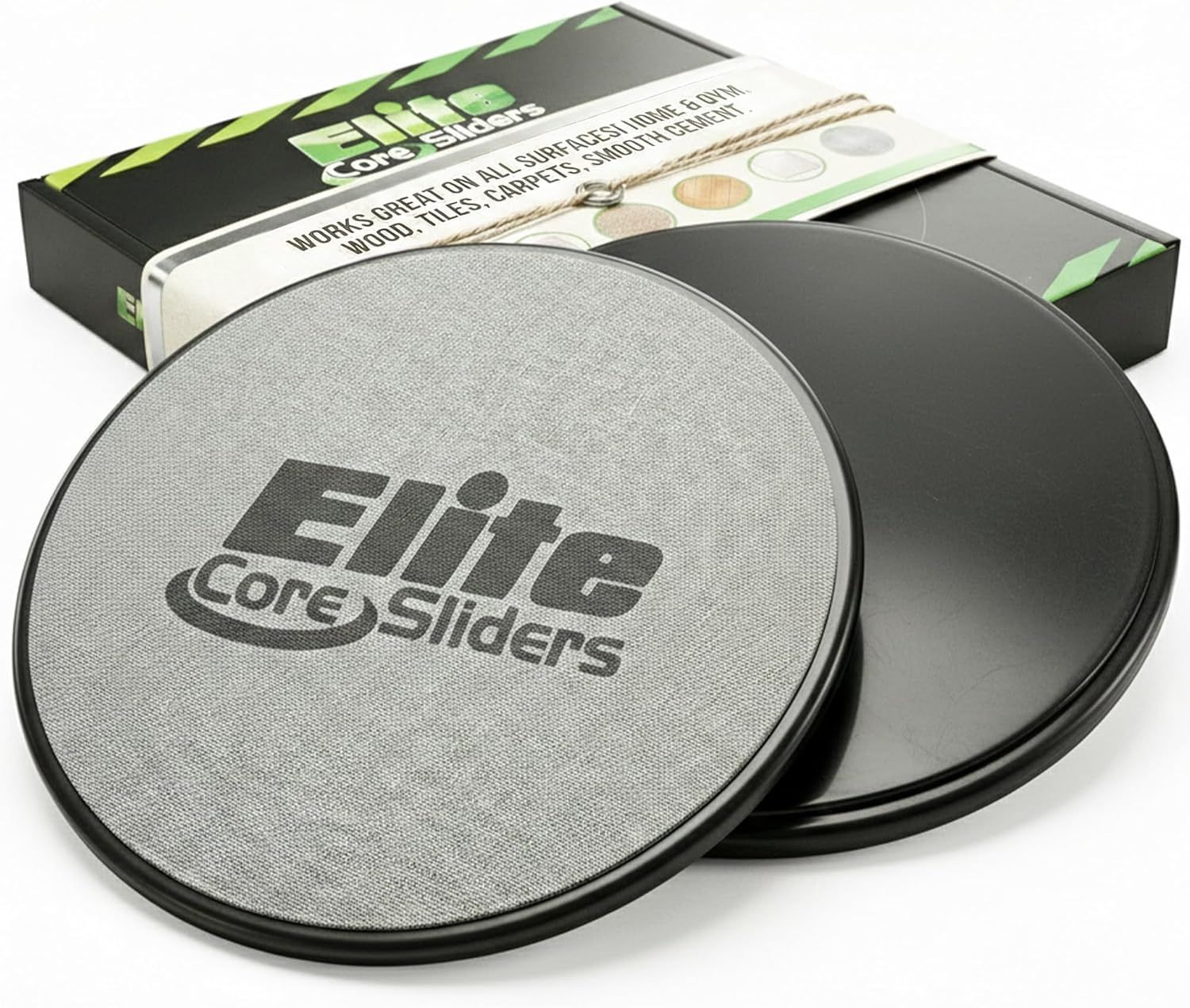
If you live in an apartment, you already know the struggle.
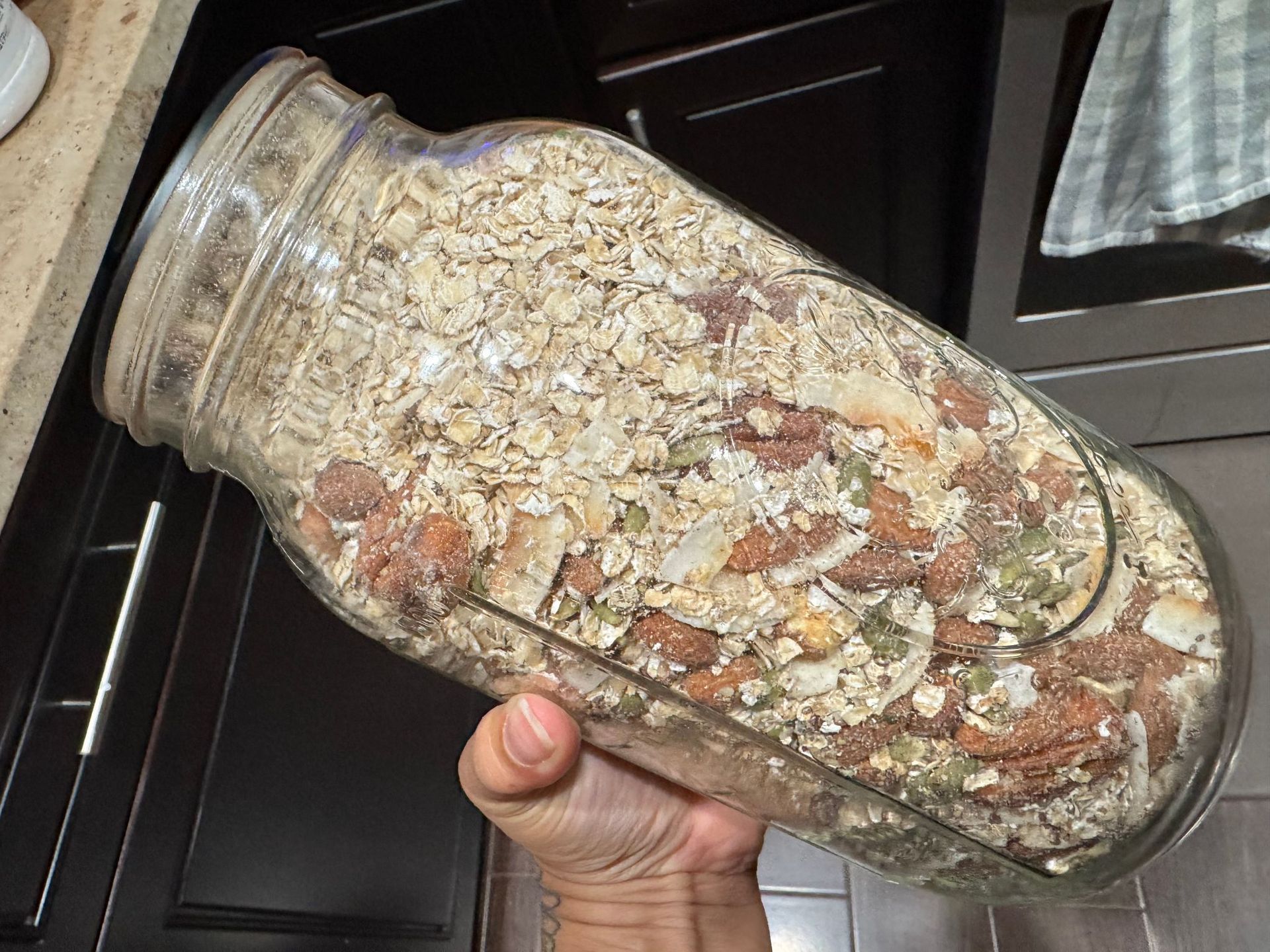
Your new favorite go to breakfast for busy mornings
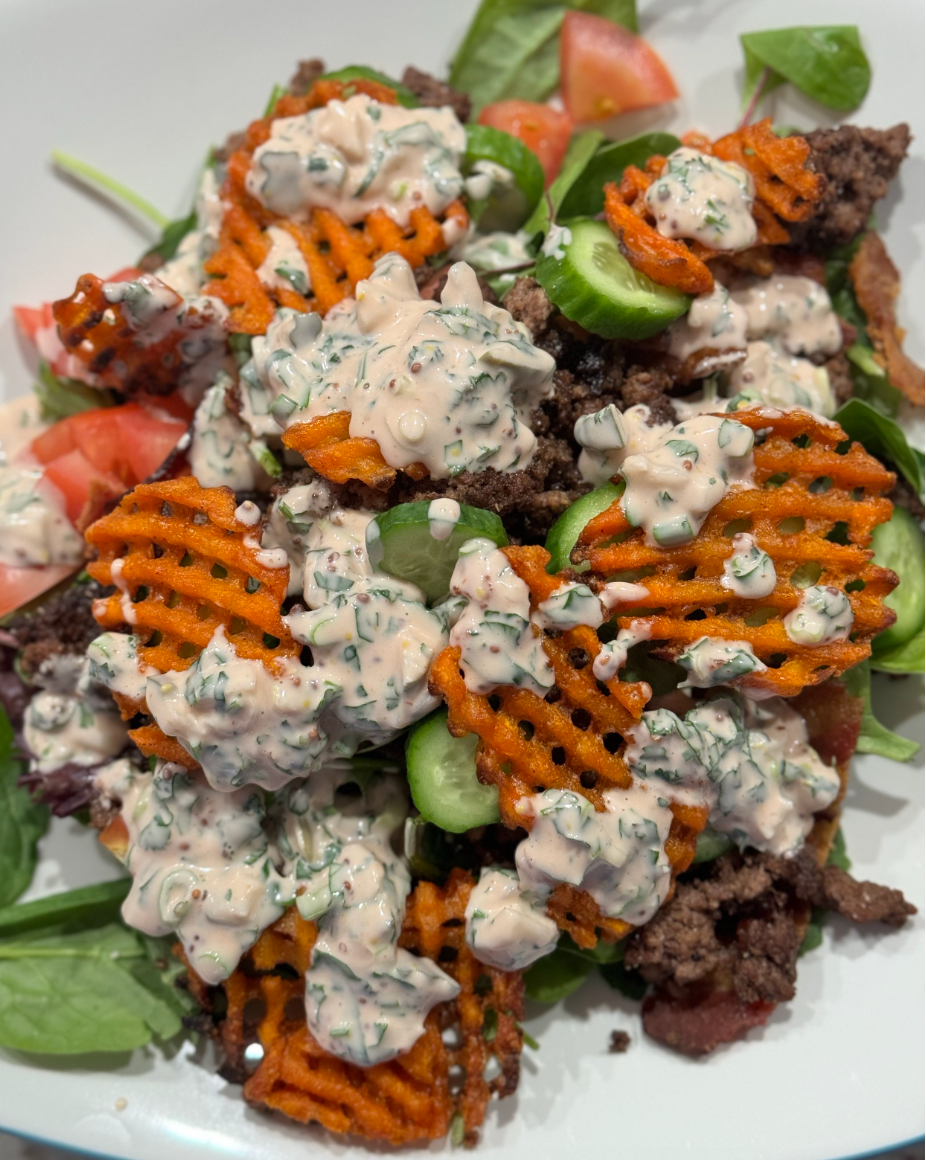
My husband’s favorite meal over the past year or so has been these burger salads. And rightfully so, they are quite delicious and simple for me to make. Literally, whatever you have on hand that’s “burger-esque” will do. I’ve made them with ground beef, ground turkey, beyond meat, and ground bison. Cheese or no cheese. Fries, potato wedges, hashbrowns. Romaine, butter lettuce, spinach, mixed greens. Whatever you’ve got. This time I used ground beef, bacon, mixed greens and spinach, tomato, cucumber and Alexia’s frozen sweet potato waffle fries (delicious addition, btw). Dressing is scallions, parsley, mayo, ketchup, mustard, dill pickles and a splash of pickle juice and a splash of water. When I say this is the easiest meal ever, I truly mean it.
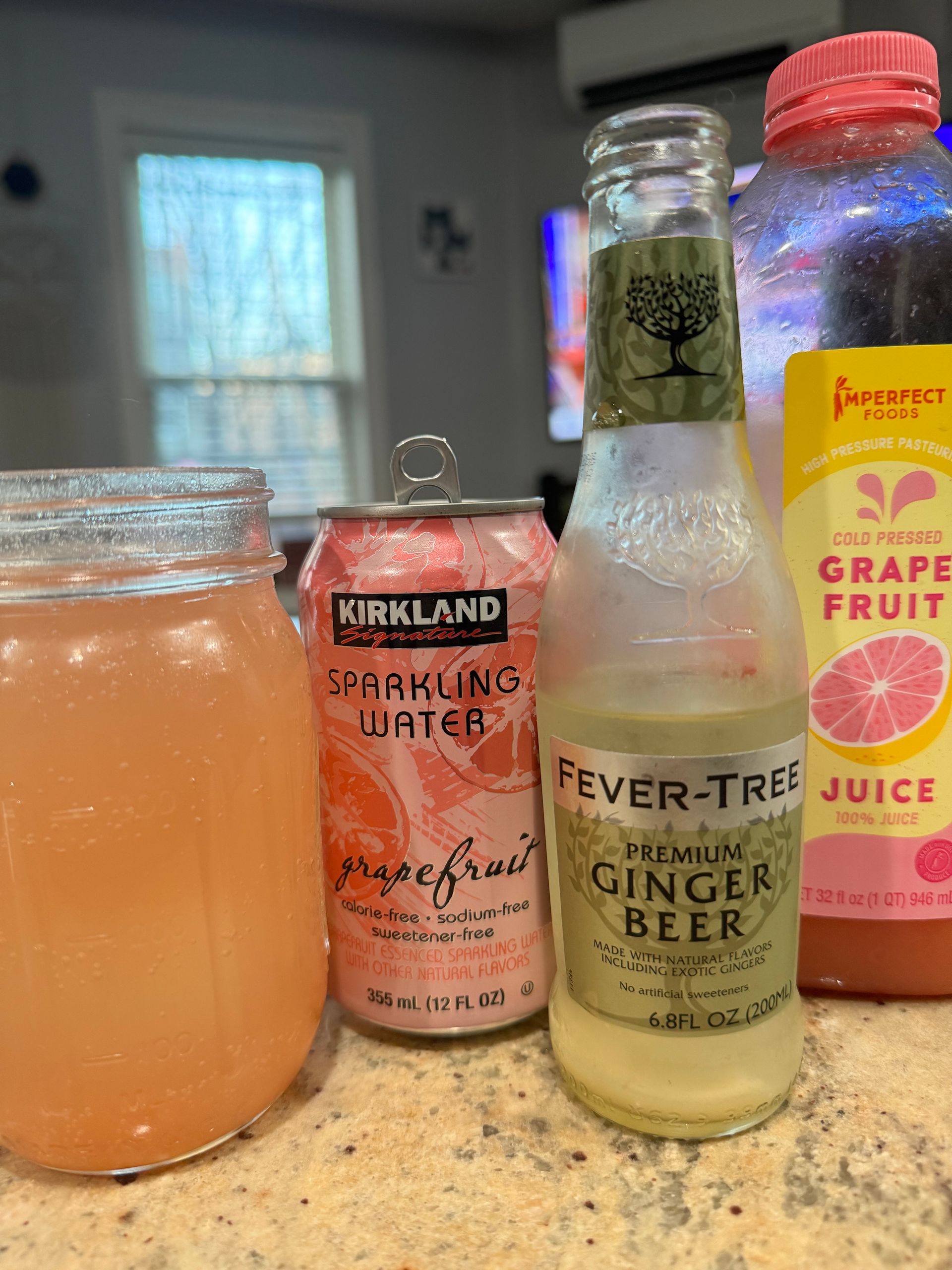
Whether you’re sober, sober curious or doing a damp or dry month for whatever your reason may be, having another mocktail up your sleeve to deviate from water and more water is always welcome. I had a ginger beer left in my fridge and created this easy and delicious bevvie for a Saturday afternoon switch up from my normal midday seltzer. Grapefruit lovers rejoice.